
Why Small Businesses Should Outsource Payroll Services

Understanding Payroll Services for Small Business in Delhi

Payroll services play a crucial role in managing employee payments, tax deductions, and ensuring compliance with labor laws. For businesses of all sizes, managing payroll accurately and efficiently is vital, as it directly affects employee satisfaction, legal compliance, and overall operational efficiency. Effective payroll services ensure employees receive timely compensation while maintaining compliance with regulatory requirements, such as tax filings, social security contributions, healthcare benefits, and retirement savings.

In the modern business landscape, payroll processing has become more than just calculating salaries. It involves a complex array of tasks including withholding taxes, tracking paid time off (PTO), managing sick leave, handling bonuses, and calculating overtime. Additionally, it ensures businesses remain compliant with the ever-changing tax laws and labor regulations imposed by local, state, and federal authorities. Even small errors in payroll can result in hefty penalties or a loss of employee trust. This has led many businesses to either adopt advanced payroll management software or outsource payroll services in Delhi to specialized providers who can handle the complexity efficiently.

The Importance of Payroll Services in Delhi

payroll services delhi

Payroll services are designed to automate and simplify the process of paying employees. For employers, managing payroll in-house can be overwhelming due to the multiple moving parts, including updating employee information, processing new hires or terminations, adjusting for benefits or deductions, and ensuring compliance with payroll tax regulations.

Effective payroll management not only ensures timely compensation for employees but also helps the business maintain a positive reputation. A company that consistently delivers accurate and on-time payments fosters trust and loyalty among employees. It also improves employee morale, leading to better productivity and job satisfaction. Moreover, payroll services help maintain transparency between the employer and employees, as detailed payroll records can provide insights into salary breakdowns, deductions, and benefits.

Beyond internal benefits, payroll services also protect businesses from non-compliance with tax and labor regulations. Errors in tax withholdings or missed filings can lead to costly penalties, legal issues, or damage to the company’s reputation. Payroll services mitigate these risks by automating tax calculations, filing deadlines, and other compliance-related tasks, ensuring that the business remains in line with the latest laws and standards.

The Decision to Outsource Payroll Services

payroll outsourcing services delhi

Many businesses, especially those with limited internal resources, opt to outsource payroll services to specialized third-party providers. Outsourcing payroll can be an attractive option for businesses that want to streamline their operations and focus more on core business activities without the burden of handling complex payroll tasks.

Outsourcing payroll services offers several advantages, including:

Lorem ipsum dolor sit amet, consectetur adipiscing elit. Ut elit tellus, luctus nec ullamcorper mattis, pulvinar dapibus leo.

  1. Time Savings: Payroll management is a time-consuming process. By outsourcing, businesses free up valuable time that can be spent on strategic activities such as growth initiatives, client relationships, and revenue generation.
  2. Cost Savings: While outsourcing may come with a cost, it can often be more cost-effective than maintaining an in-house payroll department. The cost of payroll software, training, salaries for payroll staff, and the time spent on payroll processes can quickly add up, making outsourcing a more economical solution.
  3. Access to Expertise: Payroll service providers are experts in tax laws, compliance regulations, and labor laws. These professionals stay up-to-date with changes in tax laws and labor regulations, ensuring that businesses remain compliant. For companies that don’t have in-house tax or legal expertise, this access can be invaluable.
  4. Accuracy and Reduced Errors: Human errors are common in payroll processing, especially in businesses with complex payment structures, multiple pay cycles, and varying employee classifications (salaried, hourly, freelance, etc.). Payroll service providers use sophisticated systems and processes to reduce errors, ensuring accurate and timely payroll processing.
  5. Compliance with Changing Regulations: Payroll regulations are continually changing, and it can be difficult for businesses to keep up. Payroll providers specialize in staying current with these changes, helping businesses avoid fines and penalties from non-compliance.
  6. Data Security: Payroll data contains sensitive information such as employee social security numbers, salaries, and tax information. Outsourcing payroll to a reputable provider ensures that this sensitive data is protected by high-level encryption and secure data management practices, reducing the risk of data breaches or identity theft.

Key Features of Payroll Services in Delhi

payroll services for small business delhi

Both in-house and outsourced payroll services offer various features that help businesses manage payroll efficiently. These features ensure that payroll is processed accurately, on time, and in full compliance with legal requirements:

  1. Salary Calculations: Payroll services automatically calculate employee wages based on working hours, overtime, and bonuses, ensuring employees are paid correctly. They also account for various deductions such as taxes, benefits, retirement contributions, and garnishments.
  2. Tax Deductions and Filing: Payroll services calculate the correct amount of tax to be withheld from employee paychecks and ensure that taxes are filed correctly with the appropriate authorities. This includes federal, state, and local taxes, as well as social security and Medicare contributions.
  3. Compliance Management: Payroll services help businesses remain compliant with tax laws and labor regulations by tracking changes to local, state, and federal laws. They also assist in ensuring the business complies with overtime pay, minimum wage requirements, and other employment standards.
  4. Real-Time Reporting: Payroll services offer detailed reporting features that provide businesses with an overview of payroll expenses, employee earnings, tax filings, and benefit contributions. Real-time reporting helps businesses stay organized and make informed decisions regarding financial planning and workforce management.
  5. Direct Deposit: Many payroll services offer direct deposit options, allowing employees to receive their payments electronically, rather than through paper checks. This method is faster, more secure, and environmentally friendly.
  6. Employee Self-Service Portals: Many payroll providers offer online portals where employees can access their payslips, tax documents, and update personal information. This reduces the administrative burden on HR departments and provides employees with transparency over their own payroll records.
  7. Time and Attendance Tracking: Integration with time-tracking systems allows payroll services to automatically calculate wages based on the actual hours worked, including overtime, vacation, sick leave, or other paid time off.
  8. Benefits Administration: Payroll services also manage employee benefits such as health insurance, retirement savings, and other voluntary deductions. This simplifies the process for employers and ensures that employee benefits are accurately accounted for in payroll.

In-House vs. Outsourced Payroll Services

Deciding whether to manage payroll in-house or outsource it to a provider depends on several factors, including the size of the business, the complexity of its payroll processes, and the resources available for handling payroll in-house.

Outsourced Payroll Management: For smaller businesses, startups, or companies without the resources to handle payroll internally, outsourcing payroll services can be a cost-effective solution. Outsourced providers offer expertise, reduce the risk of errors, and free up time for business owners to focus on growth. Outsourced payroll services are often scalable, making them ideal for growing businesses that expect to expand their workforce over time.

In-House Payroll Management: This is often preferred by larger businesses with dedicated HR or payroll departments. Companies that manage payroll in-house typically use payroll software to automate calculations and record-keeping. However, this approach requires a skilled payroll team and regular updates to stay compliant with new regulations.

Benefits of Outsourcing Payroll Services

Outsourcing payroll services offers several advantages for businesses of all sizes. Here are some key benefits:

  1. Time and Cost Savings: Managing payroll in-house can be time-consuming and requires dedicated resources. Outsourcing allows companies to focus on their core operations while professionals handle payroll, reducing administrative burdens and costs.
  2. Compliance with Regulations: Payroll outsourcing providers stay updated on the latest tax laws, labor regulations, and compliance requirements, reducing the risk of errors, penalties, or legal issues related to payroll.
  3. Improved Accuracy: Professional payroll services use specialized software and expertise to ensure accurate salary calculations, deductions, and tax filings, minimizing mistakes.
  4. Data Security: Outsourcing to a reputable provider ensures the security of sensitive employee data through advanced encryption and data protection measures.
  5. Access to Expertise: Payroll providers often offer expert insights into tax regulations, labor laws, and employee benefits, ensuring businesses comply with ever-changing laws and best practices.
  6. Scalability: As businesses grow, outsourced payroll services can easily adapt to accommodate increasing employee numbers or changes in payroll complexities.

Outsourcing payroll streamlines operations, reduces errors, and helps businesses maintain focus on growth while ensuring compliance and employee satisfaction.

What features do payroll outsourcing providers offer?

Payroll outsourcing providers offer a range of features designed to simplify and streamline payroll management for businesses. Key features typically include:

  1. Payroll Processing: Automated salary calculations, including deductions, bonuses, and overtime payments, ensuring accurate and timely payroll processing.
  2. Tax Filing and Compliance: Calculation and filing of payroll taxes, including federal, state, and local taxes. Providers ensure compliance with tax laws and regulations to avoid penalties.
  3. Direct Deposit: Facilitating direct deposit of employee salaries into their bank accounts, eliminating the need for manual checks and enhancing convenience for employees.
  4. Employee Self-Service Portals: Many providers offer portals where employees can access their payslips, tax documents, and update personal information like bank details and addresses.
  5. Time and Attendance Tracking: Integration with time-tracking systems to streamline payroll based on hours worked, overtime, or leave taken.
  6. Benefits Administration: Management of employee benefits such as health insurance, retirement plans, and other deductions related to employee benefits.
  7. Compliance Management: Assistance with staying compliant with labor laws, tax regulations, and industry standards, including handling audits and regulatory changes.
  8. Custom Reports: Generation of detailed reports on payroll expenses, employee salaries, tax filings, and benefits, helping businesses with financial planning and audits.
  9. Data Security: Advanced encryption and security measures to protect sensitive employee and company information, reducing the risk of data breaches.
  10. Scalability: Ability to handle payroll changes as businesses grow, whether it’s expanding the workforce or adapting to new compliance requirements in different regions.
  11. Customer Support: Expert support to handle payroll queries, employee issues, and troubleshooting for employers, often through dedicated account managers or support teams.

These features help businesses manage payroll efficiently, reduce errors, ensure compliance, and focus on their core operations.

Choosing the Right Payroll Service Provider in Delhi

payroll services provider delhi

Choosing the right payroll service provider is a critical decision for businesses, as it directly impacts the efficiency, accuracy, and compliance of payroll processing. Here are some key factors to consider when selecting the right payroll provider:

1. Service Offerings
Comprehensive Solutions: Ensure the provider offers all the services you need, such as payroll processing, tax filing, benefits management, and compliance support.
Scalability: Choose a provider that can scale with your business, whether you have a small team now or plan to expand in the future.

2. Compliance Expertise
Tax and Labor Law Compliance: The provider should stay updated with changing federal, state, and local tax laws, ensuring your business complies with all regulations.
Industry-Specific Knowledge: Some industries have unique payroll requirements. A provider with experience in your industry can help navigate these complexities.

3. Technology and Integration
User-Friendly Software: Ensure the payroll software is easy to use and offers features like automated calculations, direct deposit, and employee self-service portals.
Integration with Existing Systems: The provider’s system should integrate seamlessly with your accounting, time-tracking, and HR systems to avoid manual data entry and reduce errors.

4. Data Security
Encryption and Data Protection: Payroll data contains sensitive information. The provider should have robust security protocols in place, such as encryption, secure data storage, and disaster recovery plans.
Compliance with Data Protection Laws: Ensure they adhere to data protection regulations, like GDPR or HIPAA, if applicable.

5. Customer Support
Responsive and Accessible Support: Choose a provider that offers reliable customer support through multiple channels (phone, email, chat) and during hours that suit your business.
Dedicated Account Manager: Having a dedicated representative who understands your business needs can significantly enhance service quality.

6. Cost and Pricing Structure
Transparent Pricing: Look for a provider with clear pricing models, avoiding hidden fees for additional services like tax filings, reporting, or customer support.
Cost vs. Service Value: Compare the cost of the service with the value and features offered, ensuring the provider meets your needs without exceeding your budget.

7. Reputation and Experience
Track Record: Check reviews, testimonials, and case studies to ensure the provider has a solid reputation for accuracy, reliability, and compliance.
Industry Experience: Experience in handling payroll for businesses of your size or industry can be a strong indicator of a provider’s competence.

8. Customization and Flexibility
Tailored Solutions: A good provider should offer flexibility to customize their services to meet your specific payroll needs, such as handling different pay structures or benefits.
Growth Flexibility: The provider should accommodate changes like adding new employees, handling different employee classifications, and expanding to new locations.

9. Reporting and Analytics
Detailed Reporting: Look for a provider that offers comprehensive reporting features, including payroll summaries, tax filings, and custom reports that can help in audits and strategic decision-making.
Data Insights: Some providers offer analytics tools to help you track trends in payroll costs, employee benefits usage, and overtime.
10. Trial Period or Demos
Test the System: Many payroll service providers offer demos or trial periods, allowing you to test the system’s ease of use and features before committing to a long-term contract.
By evaluating these factors, you can choose a payroll service provider that aligns with your business needs, ensuring smooth, compliant, and efficient payroll management.

Payroll Services in Delhi

ACATL is a leading payroll services provider in Delhi, specializing in comprehensive solutions for regulatory compliance and risk management. Their services ensure that businesses adhere to legal requirements while optimizing operational efficiency and minimizing risks.

(FAQs) about outsourcing payroll services:

1. What is payroll outsourcing?
Answer: Payroll outsourcing involves hiring an external service provider to manage your company’s payroll processing, including calculating employee wages, tax withholdings, filing taxes, and ensuring compliance with relevant laws and regulations.

2. Why should a business outsource payroll services?
Answer: Businesses outsource payroll services to save time, reduce errors, stay compliant with tax and labor laws, reduce administrative burdens, and focus on core business activities. It also helps to mitigate the risks of penalties due to payroll mistakes or late filings.

3. What services do payroll outsourcing providers typically offer?
Answer: Providers typically offer services such as payroll processing, tax calculations, tax filings, employee benefits administration, direct deposit management, compliance support, and detailed payroll reporting.

4. How much does it cost to outsource payroll services?
Answer: The cost varies depending on the size of your business, the complexity of payroll needs, and the range of services you require. Many providers offer tiered pricing, with charges based on the number of employees and the services included.

5. Is payroll outsourcing suitable for small businesses?
Answer: Yes, small businesses can greatly benefit from outsourcing payroll as it allows them to focus on growing their business while ensuring that payroll is handled accurately, efficiently, and in compliance with tax regulations.

6. How secure is payroll outsourcing?
Answer: Reputable payroll service providers use advanced security protocols, such as encryption, secure data centers, and compliance with data protection regulations (e.g., GDPR, HIPAA), to ensure your payroll data is kept secure and confidential.

7. Can I customize payroll outsourcing services to fit my business needs?
Answer: Yes, most payroll service providers offer customizable solutions based on your business’s specific needs, including handling different pay structures, benefits packages, and compliance with local regulations.

8. How does outsourcing payroll help with compliance?
Answer: Payroll outsourcing providers stay up-to-date with changing tax and labor laws to ensure your business remains compliant with government regulations, minimizing the risk of fines or penalties for errors or late filings.

9. What is the process for transitioning to an outsourced payroll provider?
Answer: Transitioning to an outsourced payroll provider typically involves gathering employee data, setting up payroll preferences, integrating payroll with time-tracking or HR systems, and conducting an initial trial run to ensure accuracy.
10. What happens if a payroll mistake occurs with an outsourced provider?
Answer: Reputable payroll providers usually offer guarantees to rectify mistakes quickly. Additionally, many providers assume liability for any errors in tax filings or payroll processing that result in penalties, offering peace of mind to the business.

11. How do I choose the right payroll outsourcing provider?
Answer: To choose the right provider, evaluate their service offerings, experience, reputation, pricing structure, security measures, and customer support capabilities. It’s also important to select a provider that can scale with your business as it grows.

12. Can I still control certain aspects of payroll if I outsource?
Answer: Yes, many payroll outsourcing services offer flexible options that allow you to maintain control over certain payroll aspects, such as approving final payroll amounts or deciding on employee benefits packages.

13. How often are payroll taxes filed by an outsourced payroll provider?
Answer: Payroll taxes are typically filed according to federal, state, and local regulations. This could be on a quarterly or annual basis, depending on the jurisdiction. Your provider will ensure compliance with all applicable tax deadlines.

14. How quickly can I start using an outsourced payroll service?
Answer: The time it takes to fully implement an outsourced payroll service varies but can often be completed within a few days to a few weeks, depending on the complexity of your payroll and the provider’s setup process.

What is Risk Assessment?

A risk assessment is a systematic process for identifying, evaluating, and prioritizing risks associated with an activity, process, or organization. It involves:

  1. Identifying Risks: Determining what could potentially cause harm or problems. This might include hazards, threats, or vulnerabilities.
  2. Analyzing Risks: Evaluating the likelihood and impact of identified risks. This involves understanding how likely a risk is to occur and the potential consequences if it does.
  3. Assessing Impact: Gauging the severity of the consequences and the overall effect on the organization or project.
  4. Prioritizing Risks: Ranking the risks based on their likelihood and impact to focus on the most critical issues first.
  5. Mitigation Strategies: Developing and implementing strategies to minimize or manage the identified risks. This may involve creating contingency plans, implementing controls, or making changes to reduce the risk.

The goal of a risk assessment is to ensure that an organization can anticipate potential problems and take proactive steps to manage or mitigate them effectively.

Risk Assessment Steps

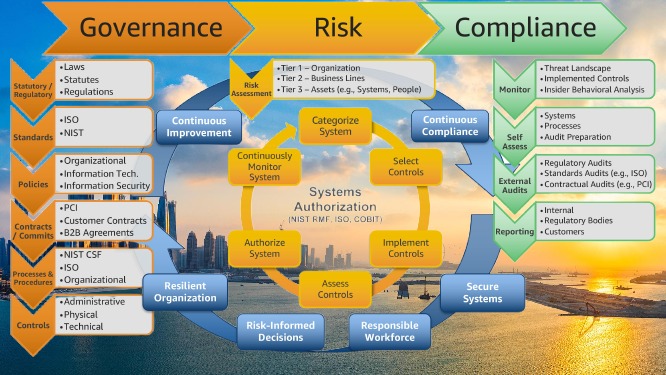
governance risk management compliance delhi

Risk assessment is a systematic process to identify, evaluate, and manage risks that could potentially impact an organization’s objectives. Here are the key steps involved in a risk assessment:

Identify Risks
Objective: Discover potential risks that could affect the organization.
Methods: Use techniques such as brainstorming, interviews, and historical data analysis. Consider risks from various sources including operational, financial, strategic, and compliance-related aspects.

Analyse Risks
Objective: Determine the nature, cause, and potential impact of identified risks.
Methods: Evaluate the likelihood and consequences of each risk. Use qualitative methods (e.g., risk matrices) or quantitative methods (e.g., statistical models) to assess risk severity and probability.

Evaluate Risks
Objective: Prioritize risks based on their potential impact and likelihood.
Methods: Rank risks to determine which ones pose the greatest threat. Consider risk tolerance levels and the organization’s capacity to manage or mitigate the risks.

Assess Control Measures
Objective: Review existing controls and processes to determine their effectiveness in managing identified risks.
Methods: Evaluate current risk management strategies and controls to see if they are adequate and effective. Identify any gaps or weaknesses in the control environment.

Develop Risk Mitigation Strategies
Objective: Create action plans to manage or mitigate prioritized risks.
Methods: Develop strategies such as risk avoidance, risk reduction, risk sharing, or risk acceptance. Assign responsibilities for implementing these strategies and allocate necessary resources.

Implement Risk Management Strategies
Objective: Put the risk mitigation plans into action.
Methods: Execute the developed strategies and ensure that they are integrated into the organization’s processes. Communicate the plans to relevant stakeholders and provide training as needed.

Monitor and Review
Objective: Continuously track the effectiveness of risk management strategies and make adjustments as needed.
Methods: Regularly review and monitor risk management activities. Conduct periodic risk assessments to ensure that the risk landscape has not changed and that controls remain effective.

Report and Document
Objective: Document the risk assessment process and communicate findings and actions to stakeholders.
Methods: Prepare risk assessment reports that include identified risks, their potential impact, control measures, and action plans. Share these reports with relevant parties such as management and the board of directors.

Continuous Improvement
Objective: Enhance the risk assessment and management process over time.
Methods: Gather feedback, analyze the effectiveness of risk management strategies, and incorporate lessons learned into future risk assessments. Update risk management practices to address emerging risks and changes in the organization’s environment.

These steps help organizations proactively manage risks, ensuring that potential threats are identified, evaluated, and mitigated in a structured and effective manner.

Risk Assessment Techniques

compliance risk and governance delhi

Risk assessment techniques are methods used to identify, analyze, and evaluate risks in order to manage them effectively. Here are some commonly used techniques:

1. Brainstorming
Description: A group technique where team members generate a wide range of ideas and potential risks related to a project or organization.
Use: Identifying risks from various perspectives and encouraging creative thinking.

2. Checklists
Description: A predefined list of potential risks or issues based on past experiences, industry standards, or regulatory requirements.
Use: Ensuring that all possible risks are considered by referencing a comprehensive list.

3. SWOT Analysis
Description: Analyzing an organization’s Strengths, Weaknesses, Opportunities, and Threats to identify internal and external risks.
Use: Understanding risks related to organizational capabilities and external factors.

4. Failure Modes and Effects Analysis (FMEA)
Description: A systematic method for evaluating potential failure modes of a process or system and their effects on outcomes.
Use: Identifying and prioritizing potential failure points and their impact on objectives.

5. Fault Tree Analysis (FTA)
Description: A top-down approach that uses a graphical representation (fault tree) to analyze the causes of system failures.
Use: Determining the root causes of potential failures and their likelihood.

6. Risk Matrix
Description: A tool that uses a grid to assess the probability and impact of identified risks, often categorizing them into levels such as low, medium, or high risk.
Use: Prioritizing risks based on their severity and likelihood.

7. Quantitative Risk Analysis
Description: Using statistical and mathematical models to assess the numerical probability and impact of risks.
Use: Providing a detailed and measurable assessment of risk likelihood and potential impact.

8. Qualitative Risk Analysis
Description: Assessing risks based on subjective judgments and descriptions, often using scales or categories.
Use: Evaluating risks where quantitative data is unavailable or impractical.

9. Scenario Analysis
Description: Evaluating potential future scenarios to understand the impact of different risk events.
Use: Preparing for various possible future events and their impact on the organization.

10. Expert Judgment
Description: Seeking input from experts with specialized knowledge or experience related to the risks being assessed.
Use: Gaining insights and evaluations from individuals with deep expertise.

11. Monte Carlo Simulation
Description: A statistical technique that uses random sampling and computer simulations to estimate risk probabilities and impacts.
Use: Analyzing complex risk scenarios by generating a range of possible outcomes.

12. Delphi Method
Description: A structured technique where experts provide independent opinions through multiple rounds of surveys to reach a consensus on risk assessment.
Use: Achieving a consensus on risk evaluation when dealing with complex or uncertain situations.

13. Bow-Tie Analysis
Description: A visual tool that combines fault tree analysis and event tree analysis to provide a clear picture of risk management and mitigation.
Use: Understanding both the causes and consequences of a risk, as well as control measures to manage it.

14. Risk Registers
Description: A detailed record that documents identified risks, their analysis, and the actions taken to mitigate them.
Use: Tracking and managing risks throughout the project or organizational lifecycle.

15. Sensitivity Analysis
Description: Analyzing how changes in key variables affect the outcome of risk assessments or project performance.
Use: Understanding which variables have the most impact on risk outcomes and decision-making.

These techniques help organizations systematically identify, evaluate, and manage risks to ensure better preparedness and effective Governance Risk Management services in Delhi.

Tools and Software for Risk Assessment
governance risk management and compliance delhi

There are numerous tools and software available for risk assessment, each designed to help organizations identify, analyze, and manage risks efficiently. Here’s a detailed list of popular tools and software used for risk assessment:

1. Risk Management Software

RiskWatch: Provides comprehensive risk assessment and management solutions, including risk identification, analysis, and monitoring.
RiskSense: Focuses on cybersecurity risk management and vulnerability assessment, offering insights into risk exposure and mitigation strategies.
Sparta Systems’ TrackWise: A quality management software with risk management capabilities, useful for compliance and regulatory requirements.

2. Project Management Tools with Risk Features

Microsoft Project: Includes risk management features that allow users to identify, track, and mitigate project risks.
Smartsheet: Offers risk management functionalities integrated with project management, including risk tracking and reporting.
Asana: Provides project management features with the ability to identify and manage project risks through task tracking and reporting.

3. Risk Assessment Platforms

Qualys: Provides vulnerability management and risk assessment tools, including continuous monitoring and risk prioritization.
Rapid7: Offers risk assessment solutions with a focus on vulnerability management and threat detection.
LogicManager: Provides a comprehensive risk management platform that includes risk assessment, mitigation, and reporting features.

4. Compliance and Risk Management Tools

RSA Archer: A robust enterprise risk management platform that includes features for risk assessment, mitigation, and compliance.
MetricStream: Provides integrated risk management solutions for assessing, managing, and mitigating enterprise risks.
SAP GRC: Offers governance, risk, and compliance solutions, including risk assessment and management features.

5. Financial Risk Assessment Tools

SAS Risk Management: Offers tools for financial risk assessment, including credit risk, market risk, and operational risk management.
Moody’s Analytics: Provides risk assessment and financial modeling tools for credit risk, market risk, and economic forecasting.
PRMIA Risk Management Software: Offers tools for managing financial risks, including credit, market, and operational risk assessments.

6. Enterprise Risk Management (ERM) Tools
RiskWatch: Provides solutions for enterprise risk management, including risk identification, assessment, and reporting.
Onspring: Offers an ERM platform with customizable risk assessment and management capabilities.
Resolver: Provides an ERM platform with risk assessment, incident management, and reporting features.

7. Cybersecurity Risk Assessment Tools

Nessus: A vulnerability assessment tool that helps identify and prioritize security risks in IT environments.
Qualys Vulnerability Management: Provides continuous vulnerability assessment and risk management for IT systems.
OpenVAS: An open-source vulnerability scanner used for assessing and managing cybersecurity risks.

8. Healthcare Risk Management Tools

RLDatix: Provides risk management solutions tailored to the healthcare industry, including risk assessment and mitigation features.
Quantros: Offers risk management solutions for healthcare organizations, focusing on patient safety and risk assessment.
Patient Safety Net (PSN): A risk management tool designed for healthcare providers to track and manage patient safety incidents.

9. General Risk Assessment Tools

RiskWatch: Provides a range of risk management solutions including risk assessment, mitigation, and reporting.
Enterprise Risk Management Software (ERMS)**: Offers comprehensive risk assessment and management capabilities for various industries.
BWise: A risk management tool that provides risk assessment, compliance management, and reporting features.

10. Visualization and Analysis Tools

Power BI: Microsoft’s business analytics tool that can help visualize and interpret risk assessment data.
QlikView: Provides data visualization and analysis tools for effective risk assessment and management.

These tools and software solutions cater to various needs, from project management and compliance to cybersecurity and financial risk assessment. Selecting the right tool depends on the specific requirements of your organization, including the industry, risk types, and integration needs.

Case Studies and Examples

Here are some illustrative case studies and examples demonstrating how various tools and practices in risk assessment and management have been applied in real-world scenarios:

1. Volkswagen Emissions Scandal

governance risk management & compliance delhi

Context: Volkswagen was found using software to cheat on emissions tests, violating Environmental Protection Agency (EPA) regulations.
Risk Assessment: Volkswagen’s internal risk management failed to identify the potential regulatory and reputational risks associated with their emissions cheating.
Outcome: The company faced billions in fines, legal actions, and significant damage to its reputation.

Lesson: Regular compliance audits and robust risk assessment processes could have identified discrepancies in emissions data and prevented the scandal.

2. Equifax Data Breach

Context: Equifax suffered a massive data breach in 2017, exposing sensitive information of 147 million people due to inadequate cybersecurity practices.
Risk Assessment: Equifax’s vulnerability management and risk assessment tools failed to detect and address security weaknesses.
Outcome: The company incurred fines, faced lawsuits, and experienced a significant loss of customer trust.
Lesson: Implementing comprehensive risk assessment tools and regular security audits could have detected vulnerabilities and mitigated the breach.

3. Wells Fargo Fake Accounts Scandal

Context: Wells Fargo employees created millions of unauthorized bank accounts to meet sales targets, violating financial and ethical regulations.
Risk Assessment: The bank’s internal risk management and compliance systems failed to identify and address unethical practices.
Outcome: The bank faced substantial fines, leadership changes, and reputational damage.
Lesson: Enhanced internal and compliance audits could have identified unethical practices early, preventing widespread fraud.

4. BP Oil Spill

Context: The Deepwater Horizon oil spill occurred in 2010 due to inadequate safety measures and non-compliance with environmental regulations.
Risk Assessment: BP’s risk management systems did not adequately address safety and environmental risks associated with offshore drilling.
Outcome: BP incurred billions in fines and cleanup costs, causing significant environmental damage.
Lesson: Regular safety and environmental compliance audits could have identified risks, preventing the disaster.

5. Target Data Breach

Context: Target experienced a major data breach in 2013, affecting millions of credit and debit card accounts due to compromised vendor systems.
Risk Assessment: Target’s risk assessment and vendor management practices were insufficient to prevent the breach.
Outcome: The company faced significant financial losses, legal fees, and reputational harm.
Lesson: Implementing robust cybersecurity risk assessment tools and improving vendor management practices could have mitigated the risk.

6. Sony PlayStation Network Outage

Context: Sony’s PlayStation Network was hacked in 2011, leading to a massive data breach affecting millions of users.
Risk Assessment: Sony’s risk management and cybersecurity measures were inadequate to prevent the breach.
Outcome: The company faced financial losses, customer trust issues, and regulatory scrutiny.
Lesson: Enhancing cybersecurity risk assessment and response strategies could have prevented or minimized the impact of the breach.

7. Toyota’s Unintended Acceleration Recall

Context: Toyota faced a massive recall in 2009-2010 due to unintended acceleration issues in several models.
Risk Assessment: Toyota’s risk management and quality control processes did not adequately address safety risks in vehicle designs.
Outcome: The company incurred significant costs related to recalls and legal settlements, along with damage to its reputation.
Lesson: Implementing more rigorous risk assessment and quality assurance processes could have identified safety issues before they led to widespread recalls.

8. Johnson & Johnson’s Tylenol Recall

Context: In 1982, Johnson & Johnson faced a crisis when cyanide-laced Tylenol capsules led to several deaths.
Risk Assessment: The company’s risk management system responded effectively to the crisis, including a massive recall and new tamper-evident packaging.
Outcome: Johnson & Johnson successfully managed the crisis, restored public trust, and re-established its market position.
Lesson: Proactive risk management and crisis response strategies can effectively handle even severe risks and protect a company’s reputation.

9. American International Group (AIG) Financial Crisis

Context: AIG faced a financial crisis in 2008 due to its exposure to risky mortgage-backed securities and credit default swaps.
Risk Assessment: AIG’s risk management processes failed to adequately assess and mitigate the risks associated with its financial products.
Outcome: The company required a government bailout to avoid collapse, leading to significant financial and reputational damage.
Lesson: Effective risk assessment and management practices are crucial for identifying and mitigating financial risks, especially in complex and high-risk areas.

10. IBM’s Data Privacy Incident

Context: IBM experienced a data privacy incident involving unauthorized access to sensitive customer data.
Risk Assessment: IBM’s risk management and data privacy practices were updated to address the breach and prevent future occurrences.
Outcome: The company implemented enhanced security measures and improved its risk assessment processes.
Lesson: Continuous improvement of risk assessment practices and robust data privacy measures are essential for protecting sensitive information.

These case studies highlight the importance of effective risk assessment and management tools in preventing, identifying, and mitigating risks across various industries.

Risk Assessment Services in Delhi

compliance risk and governance delhi

ACATL is a leading compliance management company based in Delhi, specializing in comprehensive solutions for regulatory compliance and risk management services in Delhi. Their services ensure that businesses adhere to legal requirements while optimizing operational efficiency and minimizing risks.

Types of Risk Assessment Services

Financial Risk Assessment: Evaluates potential financial risks, including credit, market, and liquidity risks, to protect financial stability and compliance.
Operational Risk Assessment: Identifies risks related to business operations, including process inefficiencies, supply chain vulnerabilities, and operational disruptions.
Compliance Risk Assessment: Assesses risks associated with regulatory compliance, ensuring adherence to laws and regulations relevant to the industry.
Cybersecurity Risk Assessment: Evaluates the risks associated with digital assets, data breaches, and cybersecurity threats to protect sensitive information.
Environmental Risk Assessment: Identifies potential environmental risks and impacts related to operations, including waste management, pollution, and regulatory compliance.
Health and Safety Risk Assessment: Focuses on workplace safety and health risks, ensuring compliance with safety regulations and minimizing workplace hazards.
Reputational Risk Assessment: Analyzes risks to the organization’s reputation, including public perception, media exposure, and stakeholder trust.

FAQs on Risk Assessment

Here are some frequently asked questions (FAQs) on risk assessment:

1. What is Risk Assessment?

Answer: Risk assessment is the process of identifying, analyzing, and evaluating potential risks that could affect an organization’s operations, assets, or objectives. It involves assessing the likelihood and impact of these risks to develop strategies for managing or mitigating them.

2. Why is Risk Assessment Important?

Answer: Risk assessment is crucial for safeguarding an organization’s assets, ensuring compliance with regulations, enhancing decision-making, and protecting the organization from potential financial, operational, or reputational harm. It helps in identifying vulnerabilities and implementing measures to prevent or minimize adverse impacts.

3. What are the Key Steps in Risk Assessment?

Answer: The key steps in risk assessment typically include:

Identifying Risks: Determining potential risks that could impact the organization.
Analyzing Risks: Evaluating the nature, likelihood, and impact of identified risks.
Evaluating Risks: Comparing the level of risk against acceptable risk levels and prioritizing them.
Mitigating Risks: Developing and implementing strategies to manage or reduce risks.
Monitoring and Reviewing: Continuously monitoring risks and reviewing the risk management process for effectiveness.
4. What are Common Risk Assessment Techniques?

Answer: Common risk assessment techniques include:

Qualitative Risk Assessment: Using subjective analysis to evaluate risks based on experience and judgment.
Quantitative Risk Assessment: Employing numerical methods and data to measure risks and their potential impacts.
Failure Modes and Effects Analysis (FMEA): Identifying potential failure modes and their consequences.
Fault Tree Analysis (FTA): Analyzing the causes of system failures using a tree-like diagram.
SWOT Analysis: Assessing strengths, weaknesses, opportunities, and threats related to risks.

5. What Tools and Software are Used for Risk Assessment?

Answer: Tools and software for risk assessment include:

Risk Management Software: Applications like RiskWatch, Resolver, and Sparta Systems that help track and manage risks.
Project Management Tools: Platforms like Microsoft Project and Asana that incorporate risk management features.
Spreadsheet Software: Tools like Microsoft Excel for creating risk assessment matrices and models.
Compliance Management Systems: Software that integrates risk assessment with regulatory compliance, such as MetricStream and NAVEX Global.

6. How Often Should Risk Assessments be Conducted?

Answer: The frequency of risk assessments depends on the organization’s needs, industry regulations, and the nature of the risks. Typically, risk assessments should be conducted annually or whenever significant changes occur in the organization’s operations, environment, or regulatory landscape.

7. Who Should Be Involved in Risk Assessment?

Answer: Risk assessment should involve key stakeholders, including:

Management: For strategic insights and decision-making.
Risk Managers: For specialized knowledge and coordination.
Operational Staff: For practical insights into daily risks and issues.
External Experts: For specialized knowledge or an independent perspective.

8. What are the Challenges in Risk Assessment?

Answer: Challenges in risk assessment may include:
Identifying All Potential Risks: Difficulty in foreseeing all possible risks.
Data Availability and Accuracy: Limited or inaccurate data impacting the risk evaluation.
Changing Risk Environment: Evolving risks due to external and internal changes.
Resource Constraints: Limited resources for thorough risk assessment and management.

9. How Can Risk Assessment Improve Decision-Making?
Answer: Risk assessment provides valuable information on potential threats and opportunities, allowing organizations to make informed decisions. By understanding risks, organizations can prioritize actions, allocate resources effectively, and develop strategies to mitigate adverse impacts.

10. What is the Role of Risk Assessment in Compliance?
Answer: Risk assessment plays a crucial role in compliance by helping organizations identify areas of potential non-compliance with regulations and standards. It enables organizations to address compliance gaps, implement necessary controls, and avoid legal or regulatory penalties.

Lorem ipsum dolor sit amet, consectetur adipiscing elit. Ut elit tellus, luctus nec ullamcorper mattis, pulvinar dapibus leo.