

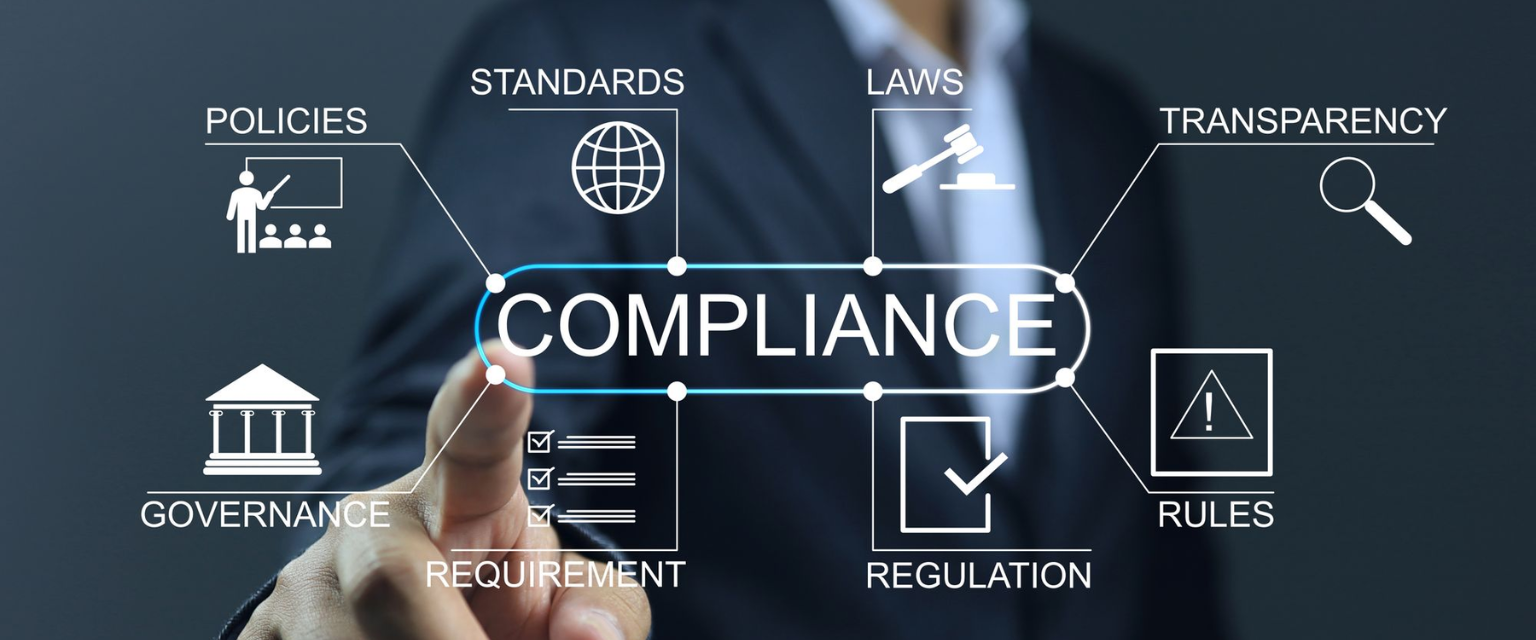
Building a startup in India is an exciting journey driven by innovation, ambition, and rapid growth. However, alongside product development and market expansion, one critical responsibility often gets overlooked in the early stages: corporate compliance. Many founders assume compliance can be managed later, once the business stabilizes. In reality, compliance is not an optional activity. It is a foundational requirement that directly impacts the credibility, sustainability, and scalability of a startup.
In 2026, the regulatory environment in India is more structured and closely monitored than ever before. Startups are expected to maintain transparency, follow statutory regulations, and ensure proper documentation from the very beginning. This guide provides a comprehensive understanding of corporate compliance for startups and explains how businesses can build a strong compliance framework.
Understanding Corporate Compliance for Startups
Corporate compliance refers to the process of ensuring that a business adheres to all applicable laws, regulations, and internal policies. For startups, this includes company registration, tax filings, labor law compliance, financial reporting, and intellectual property protection.
Unlike large enterprises, startups often operate with limited resources and smaller teams. This makes it challenging to manage compliance internally. However, ignoring compliance can lead to penalties, legal complications, and operational disruptions. Startups that adopt corporate compliance services in India early in their journey are better positioned to avoid these risks and build a stable foundation.
Compliance is not just about following rules. It is about creating a structured system that supports growth and builds trust among stakeholders.
The Legal Framework Governing Startups in India
Startups in India operate under multiple legal frameworks, depending on their business structure and industry. The Companies Act, income tax laws, labor regulations, and sector-specific guidelines all play a role in defining compliance requirements.
Each of these regulations has specific obligations related to filings, documentation, and reporting. For example, companies must file annual returns, maintain statutory registers, and comply with tax regulations. Missing these requirements can lead to penalties and legal notices.
Engaging with regulatory compliance services in India helps startups understand these frameworks and ensures that all obligations are met accurately. This support is particularly valuable for founders who may not have a legal or financial background.
Importance of Company Registration and Documentation
The first step in compliance is proper company registration. Choosing the right business structure, whether it is a private limited company, limited liability partnership, or sole proprietorship, has a direct impact on compliance requirements.
Once registered, startups must maintain accurate documentation, including incorporation certificates, shareholder agreements, and board resolutions. These documents form the backbone of corporate governance.
Startups that rely on business compliance solutions in India ensure that their documentation is organized and up to date. This not only supports compliance but also simplifies future processes such as fundraising and audits.
Tax Compliance and Financial Reporting
Tax compliance is one of the most critical aspects of running a startup in India. Businesses must adhere to regulations related to income tax, goods and services tax, and other applicable taxes. Each tax has specific filing requirements and deadlines.
Accurate financial reporting is essential for maintaining compliance. Startups must prepare financial statements, track expenses, and ensure that all transactions are recorded properly. Errors in reporting can lead to discrepancies and penalties.
Professional corporate compliance solutions help startups manage tax obligations effectively. They ensure that filings are completed on time and that financial records are accurate and transparent.
Labor Law Compliance and Employee Management
As startups begin to hire employees, labor law compliance becomes increasingly important. Businesses must adhere to regulations related to employee contracts, wages, working conditions, and statutory benefits.
Compliance with provident fund, employee state insurance, and other labor laws is essential for avoiding penalties and maintaining employee trust. Startups that fail to meet these requirements may face legal challenges and reputational damage.
Companies that integrate payroll outsourcing services in Delhi with their compliance strategy find it easier to manage employee-related obligations. This ensures that salaries, deductions, and statutory contributions are handled accurately.
Intellectual Property Protection for Startups
Innovation is at the core of most startups. Protecting intellectual property is therefore a critical aspect of compliance. Startups must register trademarks, copyrights, and patents to secure their brand identity and innovations.
Without proper protection, businesses risk losing their competitive advantage. Competitors may replicate their ideas, leading to financial and reputational losses.
Engaging with legal compliance services in India ensures that intellectual property is protected effectively. This support helps startups safeguard their assets and build a strong brand presence.
Role of Compliance Audits in Startup Growth
Compliance audits play a crucial role in identifying gaps and ensuring that businesses are aligned with regulatory requirements. These audits evaluate processes, documentation, and filings to detect inconsistencies.
For startups, regular audits provide clarity and help prevent issues before they escalate. They also prepare businesses for external inspections and investor due diligence.
Startups that invest in compliance audit services in Delhi gain valuable insights into their operations. These audits strengthen governance and support long-term growth.
Leveraging Technology for Compliance Management
In 2026, technology plays a significant role in compliance management. Automated tools help startups track deadlines, maintain records, and generate reports. This reduces manual errors and improves efficiency.
Startups that adopt digital solutions can manage compliance more effectively. These tools provide real-time insights and ensure that businesses remain updated with regulatory changes.
Companies offering compliance consulting services India often integrate technology into their solutions, enabling startups to manage compliance seamlessly.
Building a Compliance Culture Within the Organization
Compliance is not just a responsibility of the legal or finance team. It should be embedded in the culture of the organization. Employees at all levels must understand the importance of following regulations and maintaining accurate records.
Creating a compliance culture involves training, awareness, and clear communication. Startups that prioritize compliance from the beginning find it easier to maintain discipline as they grow.
Organizations that use corporate compliance services in India often receive guidance on building such a culture. This ensures that compliance becomes a part of everyday operations.
Preparing for Funding and Investor Due Diligence
Startups seeking funding must demonstrate strong compliance practices. Investors conduct detailed due diligence to assess the legal and financial health of a business. Any gaps in compliance can raise concerns and delay funding.
Maintaining accurate records, filing returns on time, and adhering to regulations are essential for building investor confidence. Startups that engage in regulatory compliance services in India are better prepared for this process.
A strong compliance framework not only attracts investors but also supports long-term partnerships.
Challenges Faced by Startups in Managing Compliance
Startups often face challenges such as limited resources, lack of expertise, and rapidly changing regulations. Managing compliance alongside business growth can be overwhelming.
These challenges can lead to delays, errors, and missed deadlines. Over time, these issues can accumulate and create significant risks.
Outsourcing compliance to professionals offering business compliance solutions in India helps startups overcome these challenges. It provides access to expertise and structured processes that ensure accuracy and efficiency.
Strategic Advantages of Professional Compliance Support
Engaging professional compliance services offers several advantages. It reduces the burden on internal teams, ensures accuracy, and provides access to expert knowledge. Businesses can focus on growth while professionals handle compliance requirements.
Startups that work with providers offering compliance consulting services India gain a competitive advantage. They are better equipped to navigate regulatory complexities and adapt to changes.
This strategic approach supports sustainable growth and minimizes risks.
Conclusion
Corporate compliance is a critical component of startup success in India. It ensures legal adherence, builds credibility, and supports long-term growth. In 2026, startups must adopt a proactive approach to compliance to stay competitive and avoid risks.
From company registration and tax filings to labor law compliance and intellectual property protection, every aspect of compliance requires careful attention. Startups that invest in corporate compliance services in India create a strong foundation for their business.
By integrating compliance into their operations, startups can focus on innovation and growth with confidence. In a rapidly evolving business environment, compliance is not just a requirement. It is a strategic advantage that drives stability, trust, and success.